
Marine Life · July 9, 2026
The Sea Turtle Comeback Washing Up on Florida's Beaches
Record nesting on Florida's shores and a landmark IUCN downlisting reveal one of conservation's great comebacks — and it started with communities paying attention.
A Record-Breaking Summer on Florida's Shores
Walk a Southwest Florida beach at dawn this summer and you may cross a fresh set of tank-tread tracks in the sand — the unmistakable crawl of a nesting sea turtle. This year those tracks are everywhere. On the sanctuary islands of Sanibel and Captiva, the Sanibel-Captiva Conservation Foundation had already logged 664 loggerhead nests by mid-June 2026, well ahead of the same point in 2025. It is shaping up to be one of the strongest seasons on record.
That local surge is part of a much bigger, hopeful story unfolding across the world's oceans.
Turtles Are Winning
A recent NOAA Fisheries analysis found that most sea turtle populations are now rebounding worldwide, with more turtles returning to nest on beaches that have strong protections in place. After centuries of being harvested for meat, shell, and eggs — and losing nesting grounds to coastal development — these ancient mariners are quietly staging one of conservation's great comebacks.
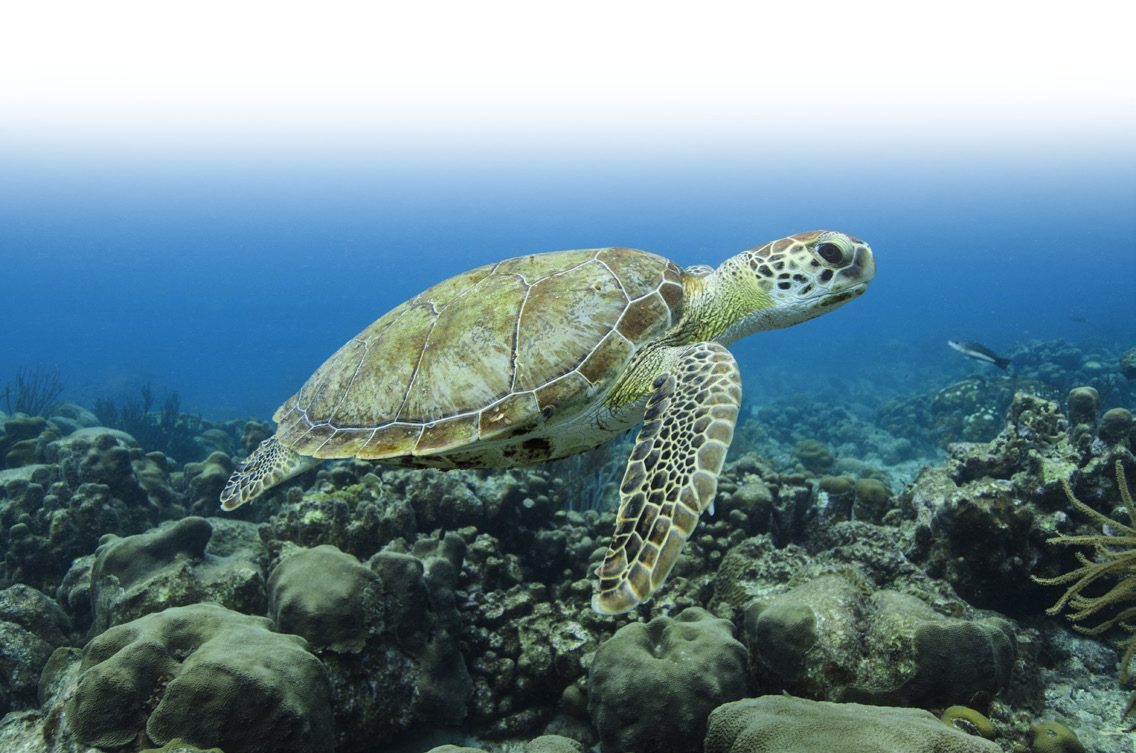
The clearest signal came in 2025, when the International Union for Conservation of Nature downlisted the green sea turtle from "Endangered" to "Least Concern," citing a global increase in their numbers. For a species that navigated the seas alongside dinosaurs, it is a remarkable turn of the tide.
Recovery didn't happen by accident. It happened because thousands of people decided these animals were worth saving.
What Actually Worked
The turtle comeback is a blueprint for how conservation succeeds when communities commit to it:
- Darker beaches. Hatchlings find the sea by moonlight on the water. Coastal towns that dimmed or shielded artificial lighting stopped sending confused babies inland toward roads and parking lots.
- Turtle-safe fishing. Fisheries around the world adopted Turtle Excluder Devices and modified gear, sharply reducing the number of turtles accidentally caught in nets.
- Protected nests. Volunteers screen nests from predators, mark them off from foot traffic, and guide hatchlings safely to the surf.
None of these fixes required a miracle. They required people paying attention — exactly the kind of everyday stewardship that turns a species' fortunes around.
The Coastal Community Connection
Sea turtles are a reminder that the ocean's health is written on our own doorsteps. The same beaches where families swim and vacation are the nurseries for the next generation of turtles. When a coastal town chooses turtle-friendly lighting, cleans up plastic that a turtle might mistake for a jellyfish, or simply fills in the holes and knocks down the sandcastles that block a hatchling's midnight sprint, that community becomes part of the recovery.
This is the heart of Fantastic Oceans' mission. By helping coastal communities understand the sea on their doorstep — and by championing conscious, low-impact choices in how we light our shores, fish our waters, and shop for seafood — we turn ordinary neighbors into ocean guardians. The loggerheads climbing Florida's beaches this summer are proof of what that guardianship can achieve. The tide, it turns out, can be turned back.